Before any excavation in Quebec, property owners are legally required to contact Info-Excavation to locate underground infrastructure -- gas lines, electrical cables, and telecom. No digging can begin until this step is completed. Allow at least 3 business days for the locating process before the scheduled start of work.
The location certificate, prepared by a land surveyor, confirms the exact boundaries of your property. It is the only reliable method to ensure the fence will be installed in the correct position and to prevent boundary disputes with neighbouring property owners.
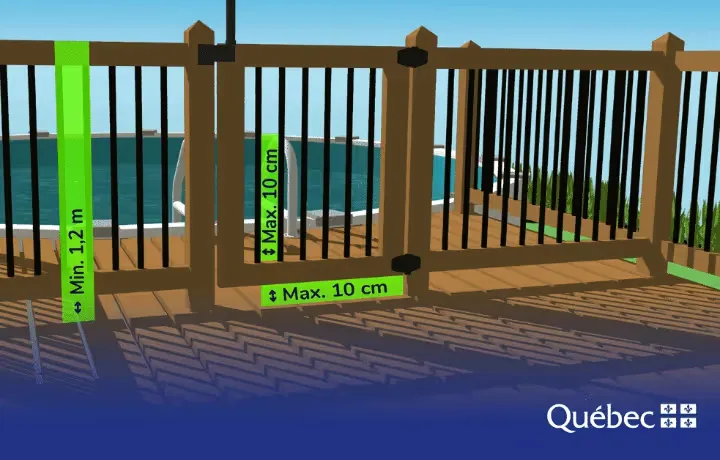
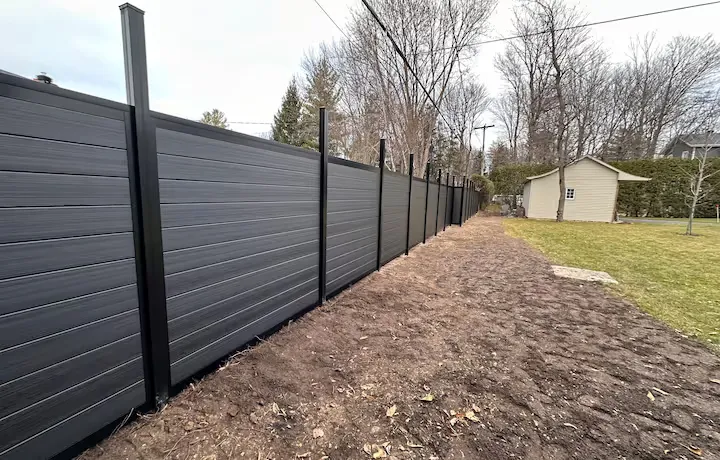
Most municipalities require a permit to install a fence. Your city's urban planning department will specify permitted heights, accepted materials and setback distances.
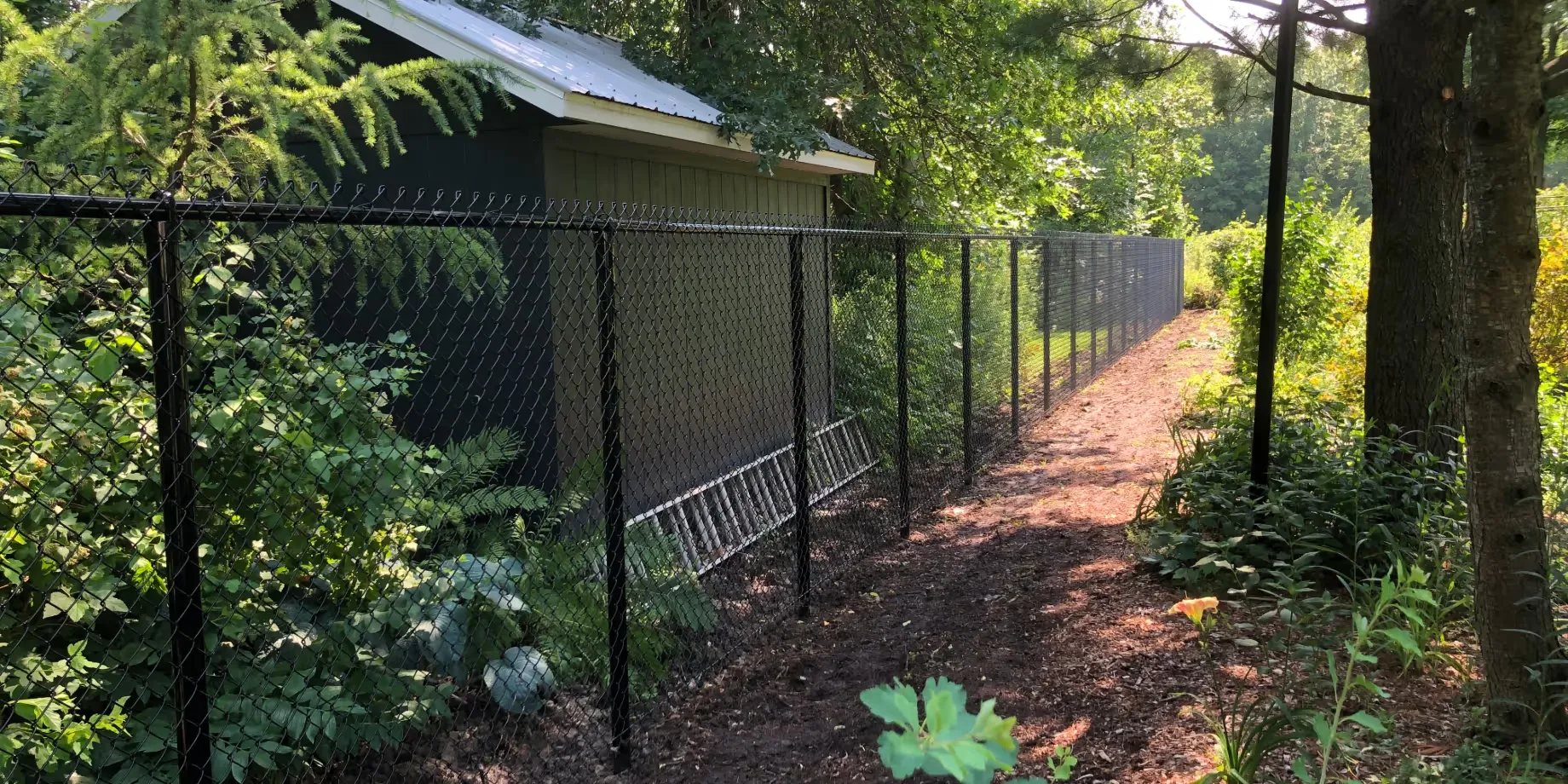
Homeowner preparation along the planned fence line is essential:
Remove any old fence remnants.
Clear large rocks and stumps.
Cut low branches that hang into the zone.
Move patio furniture, toys, and any other items from the area.
Installation equipment requires a minimum clearance of 42 inches. Ideally, 60 inches of total width should be available for the work zone.
Professional fence installers are experienced with slopes and uneven terrain. Some light grading with fill can help minimize the gap between the fence and the ground surface.
Informing your neighbours before work begins is a recommended courtesy. It helps prevent misunderstandings and fosters a cooperative relationship from the outset.
Spring and early summer represent the ideal installation window. The ground is thawed, concrete curing conditions are optimal, and there is sufficient time to complete the installation before the backyard becomes the centre of outdoor activities. Planning ahead also helps avoid peak-season scheduling delays, as availability in June and July is typically limited.